Services
Six ways we help organisations build, connect and run their software.
Each service below describes its purpose, the scope it typically covers and the kind of deliverables an engagement produces. Illustrative deliverables are examples, not a fixed package.
- 01
Custom Software Development
- 02
Web Application Development
- 03
Cloud Architecture and Infrastructure
- 04
API and Systems Integration
- 05
Workflow Automation
- 06
Software Maintenance and Technical Support
Custom Software Development
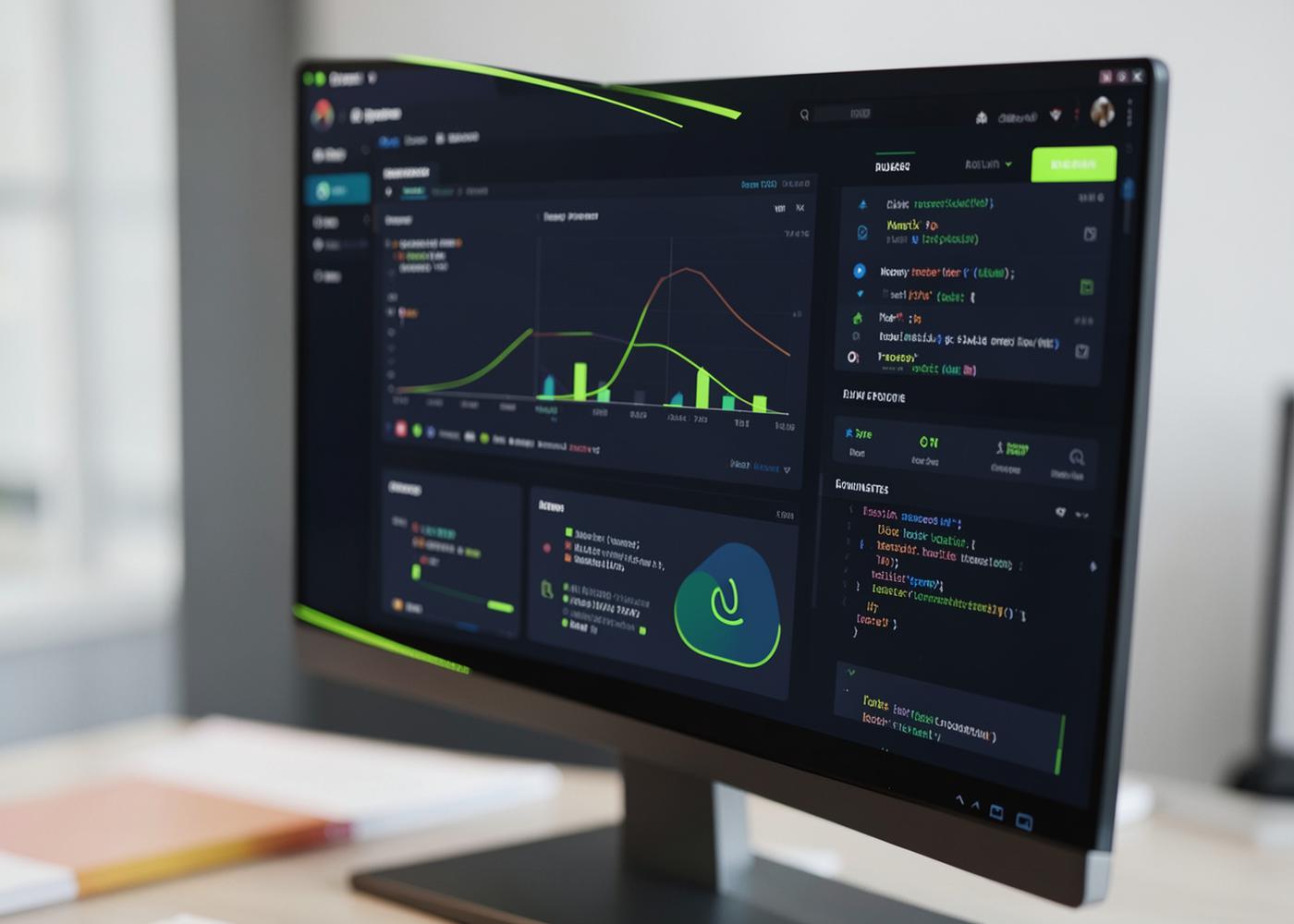
Purpose-built applications for processes that off-the-shelf products do not fit well: internal tools, line-of-business systems, data-processing services and specialised back-office software.
Typical scope
- Requirements analysis and domain modelling
- Architecture and technology selection
- Backend services, databases and background processing
- Role-based access, audit trails and reporting
- Automated testing and release pipelines
Illustrative deliverables
- Source code with documentation and setup instructions
- Architecture overview and data model
- Test suite and continuous integration configuration
- Deployment scripts and environment configuration
Web Application Development
Responsive, accessible web applications and customer-facing portals that perform well on any device and remain maintainable as features grow.
Typical scope
- Interface design systems and component libraries
- Server-rendered and single-page application architectures
- Authentication, authorisation and session handling
- Accessibility, performance and search-readiness
- Content management and administrative interfaces
Illustrative deliverables
- Production-ready web application with responsive layouts
- Reusable component library and style tokens
- Accessibility and performance review notes
- Hosting and deployment configuration
Cloud Architecture and Infrastructure
Cloud environments designed for reliability, cost awareness and security, whether migrating existing systems or provisioning infrastructure for new applications.

Typical scope
- Environment design: networking, compute, storage and identity
- Infrastructure as code and repeatable provisioning
- Containerisation and orchestration where appropriate
- Backups, disaster recovery and observability
- Cost review and right-sizing
Illustrative deliverables
- Infrastructure-as-code repository
- Environment diagrams and access model
- Monitoring dashboards and alerting rules
- Operational runbooks
API and Systems Integration
Connecting the applications an organisation already uses so that data flows accurately between them without manual re-entry or brittle workarounds.
Typical scope
- API design, versioning and documentation
- Integration with third-party platforms and legacy systems
- Data mapping, transformation and validation
- Event-driven and scheduled synchronisation
- Error handling, retries and reconciliation
Illustrative deliverables
- Documented APIs or integration services
- Data mapping specifications
- Monitoring for failed or delayed exchanges
- Test fixtures for partner systems
Workflow Automation
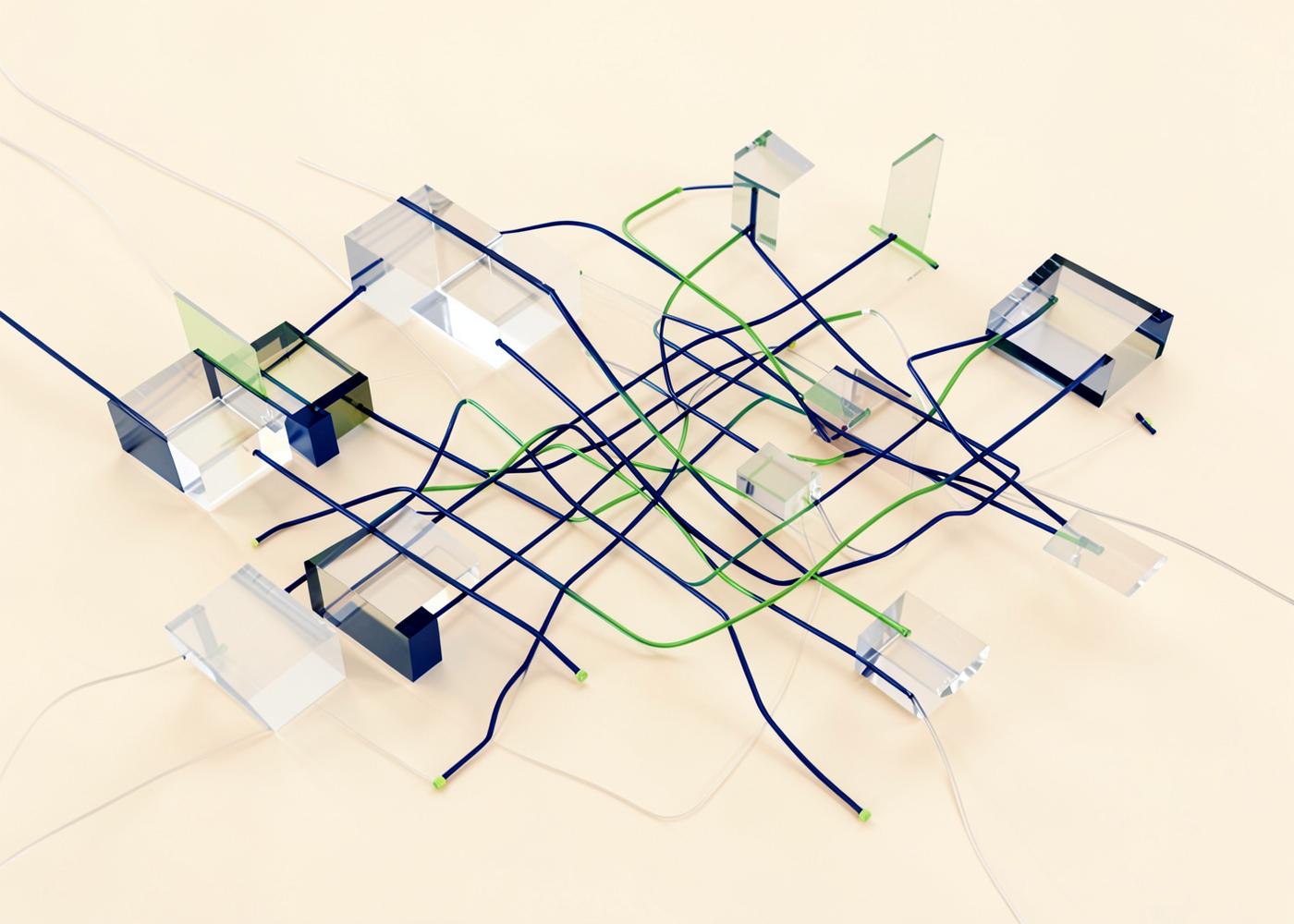
Replacing repetitive, error-prone manual steps with dependable automated processes, from document handling to approvals, notifications and scheduled reporting.
Typical scope
- Process discovery and mapping
- Rule definition and exception handling
- Integration with email, messaging and business systems
- Human-in-the-loop review steps where judgement is required
- Audit logging of automated actions
Illustrative deliverables
- Automated workflow implementation
- Process documentation and exception procedures
- Activity logs and summary reporting
- Handover training materials
Software Maintenance and Technical Support
Keeping existing systems secure, current and dependable through proactive maintenance, monitoring and responsive technical assistance.
Typical scope
- Dependency and platform updates
- Security patching and vulnerability review
- Performance monitoring and tuning
- Bug investigation and resolution
- Incremental feature improvements
Illustrative deliverables
- Maintenance schedule and change log
- Monitoring and incident summaries
- Updated documentation as systems evolve
- Regular review of technical debt and priorities
Delivery process
How an engagement unfolds
The same five stages apply whether the work is a focused integration or a new application. The weight of each stage is adjusted to the project.
- 01
Discovery
Understanding goals, users, existing systems and constraints; agreeing on scope and success measures.
- 02
Planning
Architecture decisions, delivery milestones, risk review and the environment needed to start building.
- 03
Development
Iterative implementation in reviewed, tested increments, with working software shown regularly.
- 04
Testing
Automated and exploratory testing, accessibility and performance checks, and acceptance against the agreed scope.
- 05
Ongoing improvement
Monitoring in production, maintenance, and a steady cadence of refinements informed by real usage.
Service FAQs
Common questions about working with us
- Which technologies does the company work with?
- Technology choices are made per project based on the problem, the client's existing environment and long-term maintainability. Widely adopted, well-supported languages, frameworks and cloud platforms are preferred over niche tools.
- Can the company work with an existing codebase?
- Yes. Many engagements begin with an assessment of an existing system, followed by targeted improvements, integrations or a staged modernisation plan.
- How is scope agreed?
- Scope is defined during discovery and documented before development begins. Changes are handled transparently through a simple change process rather than silently absorbed.
- Who owns the resulting software?
- Deliverables, including source code and documentation, are handed over to the client in line with the terms agreed for the engagement.
- Is support available after delivery?
- Ongoing maintenance and technical support are offered as a distinct service so that systems remain secure and current after the initial project.
- How are pricing and timelines determined?
- Both depend on the scope, complexity and constraints of the specific project and are discussed individually after an initial exchange by email.